


Call Us
888.433.2300


Description
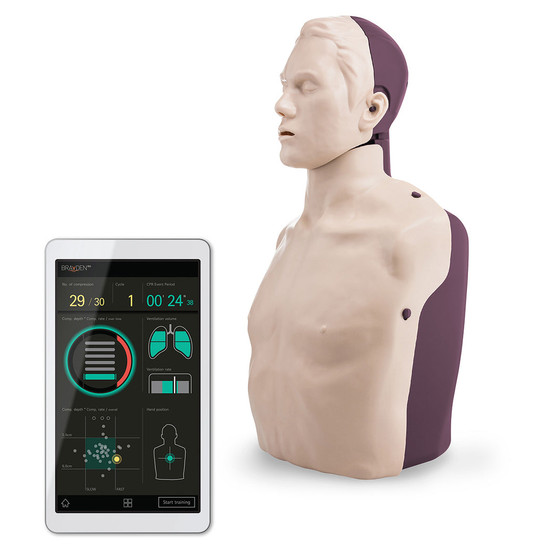
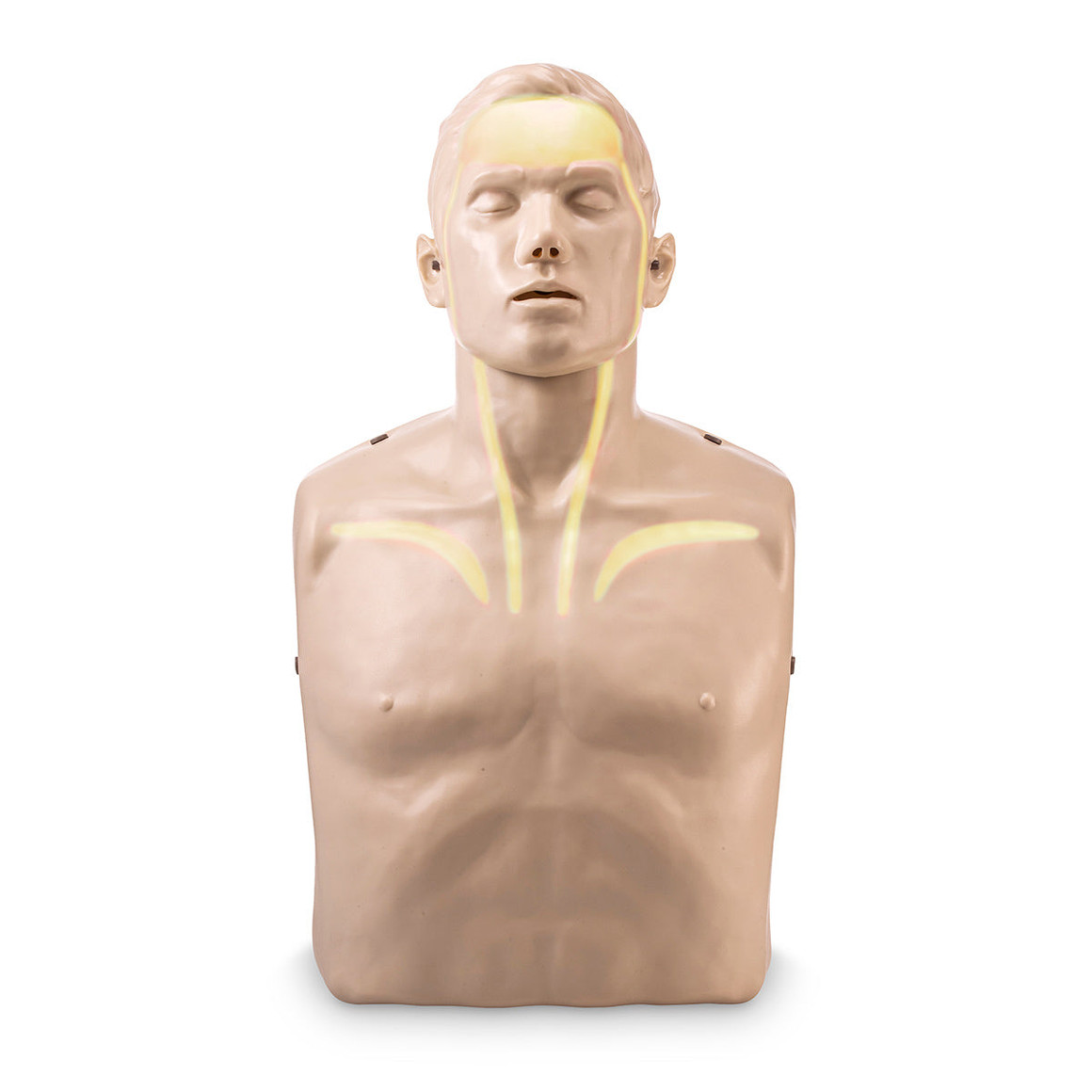
The SB50941 is a Brayden CPR Training Manikin used to teach and practice Cardiopulmonary Resuscitation (CPR). This training manikin is notable for its innovative use of LED lights that provide instant, visual feedback on the quality of a student's CPR technique.
Interactive LED Indicators: The most distinguishing feature is its system of LED lights that help students visualize the effects of their compressions.
Blood Circulation Indicators: Lights run from the chest to the head, and their speed changes based on the depth and rate of compressions, simulating blood flow to the brain.
Compression Indicators: Lights on the collarbone indicate the depth of compressions. They fully light up when the compressions meet the correct depth, as per CPR guidelines.
CPR Quality Indicators: These lights illuminate only when both the compression depth and speed are correct, giving a clear signal that the student is performing effective CPR.
Anatomically Correct Design: The manikin has realistic anatomical landmarks like the sternum, rib cage, and xiphoid process, which are essential for proper hand placement during CPR training.
Audible Feedback: A built-in "clicker" makes a clicking sound when the correct compression depth is reached, providing auditory reinforcement.
Realistic Functionality: It includes features for realistic training, such as:
A realistic head tilt and chin lift for opening the airway.
Oral and nasal passages for practicing mouth-to-nose ventilation.
A chest that rises realistically with correct rescue breaths.
Disposable lungs and face shields to ensure a hygienic training environment.
The SB50941 manikin is primarily used for CPR and first aid training. Its interactive feedback system makes it a valuable tool for instructors and students alike. It allows students to self-correct their technique in real time and helps instructors quickly identify and assist students who are struggling with a specific aspect of CPR, such as compression depth, rate, or hand placement.