


Call Us
888.433.2300



Description
Realistic Appearance: The fake dirt is a professional-grade product that provides a realistic look and texture of dirt and grime. It can be used to simulate a variety of environmental conditions, such as a patient who has been in a car wreck or a collapsed building.
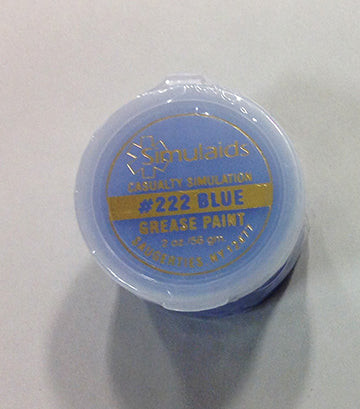
Easy to Use: The product comes in a 2 oz. container and is designed to be easily applied with a brush or sponge to a manikin or a human actor. It can be built up in layers to create a three-dimensional effect.
Non-Toxic and Skin-Safe: The fake dirt is made with safe, non-harmful ingredients, making it suitable for application on manikins, props, or human skin.
Cost-Effective: A small amount of the fake dirt can be used to create a variety of different effects, making it an economical solution for repeated use in training exercises.
Compatibility: It is designed to be compatible with a wide range of moulage accessories, such as prosthetics, simulated blood, and makeup.
The Fake Dirt is used in a wide range of emergency training settings to:
Enhance Training Realism: It is an ideal tool for creating high-fidelity, visually shocking scenarios that prepare students and professionals for the emotional and physical reality of a traumatic incident.
Train in Wound Assessment: By creating a realistic injury with dirt and grime, the fake dirt challenges students to perform thorough patient assessments and prioritize care based on the severity of the wounds.
Facilitate Trauma Simulations: The fake dirt can be used to set up complex trauma simulations, helping healthcare teams improve communication, coordination, and rapid decision-making in a high-stakes environment.
Support Hands-on Learning: The realistic look and feel of the wounds ensure that students get accurate, hands-on experience, which is crucial for building confidence and competency in performing life-saving interventions.