

Call Us
888.433.2300



Description
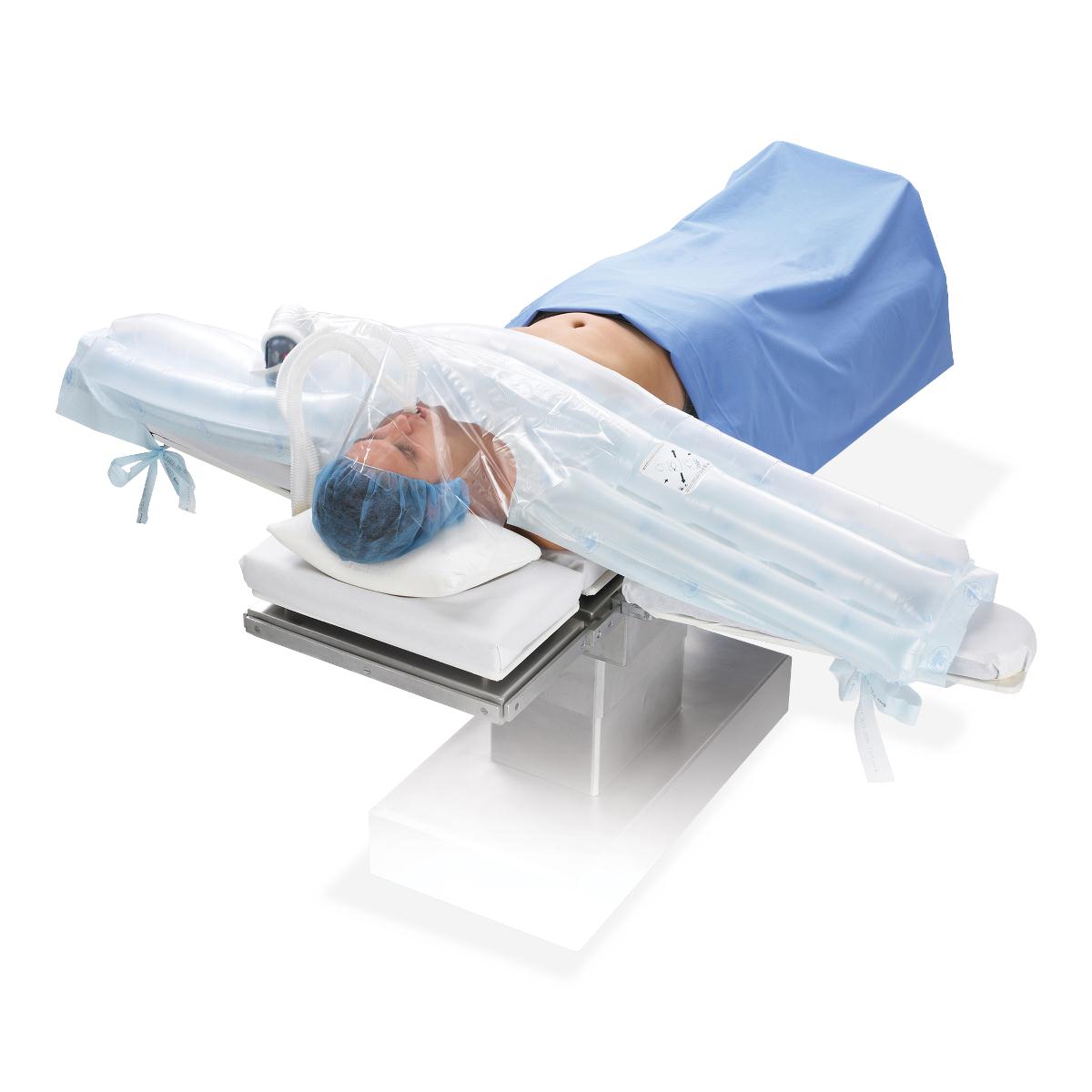
Forced-Air Warming: The blanket connects to a Bair Hugger warming unit, which blows warm air through the blanket's perforations to provide uniform and consistent warming to the patient.
Upper Body Coverage: This specific model is designed to cover the patient's upper torso, arms, neck, and head, making it ideal for procedures where the lower body needs to remain accessible.
Versatile Positioning: It can be used with patients in various positions, including supine (on their back), prone (on their stomach), and lithotomy.
Convenient Design: The blanket features integrated tie strips and a continuous adhesive strip to help secure it to the patient. It also has two resealable hose ports, providing flexibility in positioning the warming unit.
Clear Head Drape: An attached clear head drape and neck vents help to retain warm air around the patient's head while still allowing the clinician to observe the patient.
Material: It's made from a soft, lightweight, and latex-free nonwoven polypropylene material for patient comfort and to minimize the risk of allergic reactions.
Single-Use: It is a disposable product intended for a single use on one patient to ensure infection control and patient safety.
Preventing Hypothermia: Its primary use is to maintain a patient's core body temperature (normothermia) during surgical procedures, which helps reduce the risk of complications such as surgical site infections (SSIs), increased blood loss, and cardiac events.
Pre- and Postoperative Warming: It can be used before, during, and after surgery to provide therapeutic warming and improve patient comfort.
General Surgery: The blanket is commonly used in general surgery, particularly for procedures on the lower half of the body.
Clinical Settings: It is a standard piece of equipment in operating rooms, recovery rooms, and other clinical settings where patient temperature management is a concern.