
Call Us
888.433.2300





Description
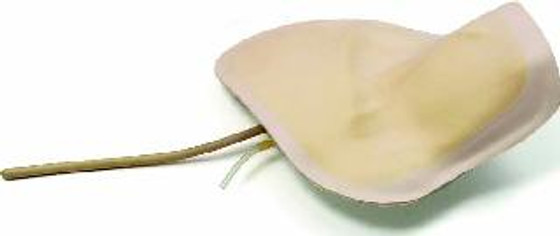
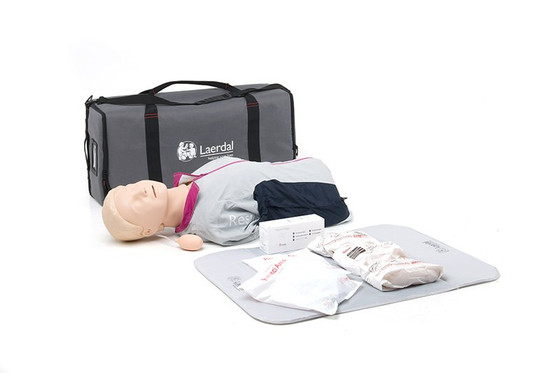
Realistic Simulation: The torso is a lifelike model with soft, replaceable pads that mimic the feel of human skin. The simulated veins within the pads provide a natural resistance during puncture and a realistic flashback of blood upon successful needle insertion.
Venous Access Points: This trainer is specifically designed for practicing IV access to key central veins, including:
External jugular vein
Internal jugular vein (via anterior, central, and posterior approaches)
Subclavian vein
Femoral vein
Instructor Control: The model features a pulse bulb that allows the instructor to create a palpable pulse in the manikin's arteries, adding another layer of realism to the training scenario.
Self-Sealing Pads: The pads are designed to self-seal after a needle is withdrawn, making the puncture site invisible to the next student. This allows for repeated use and provides a fresh training experience each time. The neck and femoral pads can be replaced without the use of tools.
Comprehensive Kit: The kit includes the torso, a carry case for easy transport and storage, a bottle of simulated blood, a set of IV pads, and directions for use.
Maintenance: The pads come pre-filled with simulated blood, so no initial setup is required. Long catheters can be placed into the training model.
Advanced Cardiac Life Support (ACLS) and Trauma Training: The primary use is to train healthcare professionals in advanced IV access techniques, which are crucial in emergency and trauma situations.
Medical Education: It is an essential tool for training medical students, paramedics, and nurses to perform central line insertions in a safe, controlled environment before working with live patients.
Skill Refinement: The trainer allows for repeated practice of these complex procedures, helping students to build confidence and proficiency.
Simulation-Based Learning: It is used in medical simulation labs to create realistic scenarios for trainees to practice and be evaluated on their performance.