
Call Us
888.433.2300


Description
Sterile Polyethylene Construction: Provides an occlusive thermal barrier that minimizes evaporative and convective heat loss while inhibiting static electricity (essential for high-oxygen environments).
Radiant Heat Friendly: Unlike traditional paper drapes, the material is designed to allow heat from overhead radiant warmers to pass through and reach the infant.
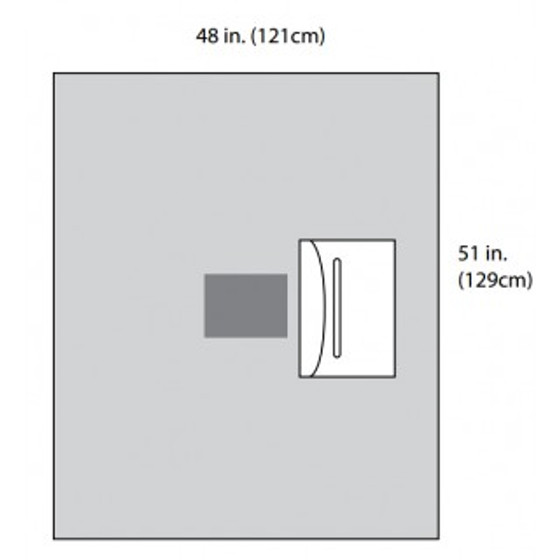
Large Sterile Field: Measures 32 x 50 inches (though some older literature references a 24 x 30" version), providing enough coverage to create a sterile field from side rail to side rail on most NICU bassinets.
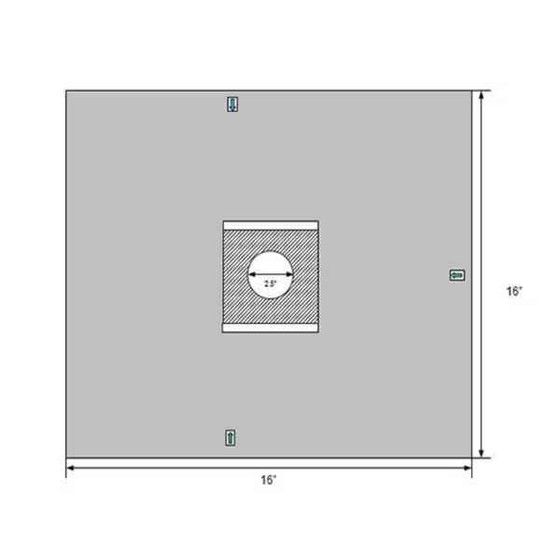
Integrated Fenestration: Features a central opening that allows clinicians easy access to the procedure site while keeping the rest of the infant covered and warm.
Adhesive Securement Strips: Includes adhesive strips on both sides of the drape to anchor it securely to the bassinet, preventing the sterile field from shifting during the procedure.
Safety Perforation: Designed with a perforation from the fenestration to the edge, allowing the drape to be removed after the procedure without disturbing or pulling on newly placed catheters.
NANN Compliance: Complies with National Association of Neonatal Nurses recommendations to "cover as much of the infant as can be safely done while ensuring the ability of adequate observation."
Airway Safety: Warning: Never place the drape over the infant's face. Ensure the airway remains clear at all times to prevent suffocation.
Temperature Monitoring: Since the drape is highly occlusive, independent temperature monitoring is required to prevent the infant from overheating.
Contraindications: Do not use on infants with blistering skin conditions or in conjunction with chemical warming pads/mats, which can lead to overheating.