

Call Us
888.433.2300



Description
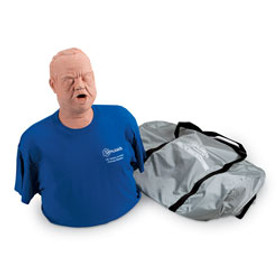
Realistic Anatomy and Size: The manikin is made from a durable, lifelike material and is sized to accurately represent an obese individual. This realistic size and weight provide a more authentic training experience, forcing trainees to adapt their technique.
Specialized Choking Mechanism: A key feature is the manikin's specialized choking mechanism. When a simulated foreign object (included with the manikin) is placed in the airway, it creates a realistic obstruction. When the correct choking rescue procedure is performed, the object is ejected, providing immediate visual confirmation of a successful maneuver.
Unique Challenges of Obesity: The manikin's design, which includes a large abdomen, forces trainees to learn and practice the modified choking rescue procedure for obese individuals, which often involves using chest thrusts instead of abdominal thrusts.
Back Blows and Chest Thrusts: The manikin is designed to respond to both back blows and chest thrusts, allowing for a complete training experience that follows established first aid protocols for this specific patient population.
Hygienic Design: The manikin features a disposable lung/airway system, which allows for multiple students to practice in a sanitary manner. A carry bag is also included for easy transport and storage.
First Aid and CPR Training: This manikin is an essential tool for advanced first aid and CPR courses, where it is used to train a variety of audiences, including first responders and healthcare professionals.
Emergency Medical Education: It is used in emergency medical services (EMS) training programs to teach paramedics and EMTs how to manage a choking emergency in an obese person effectively, a skill that requires specific adaptations.
Skill Development and Confidence Building: It provides a safe and effective way for trainees to develop the manual dexterity and confidence required to perform a choking rescue maneuver in a real-life emergency, especially in a situation that presents unique physical challenges.