

Call Us
888.433.2300




Description
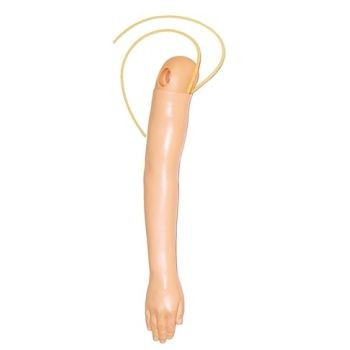
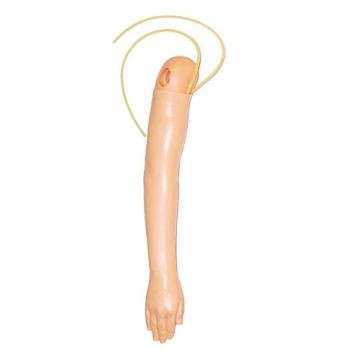
Realistic Pediatric Design: The arm is constructed from a lifelike, durable material that accurately mimics the size, feel, and delicate skin of a pediatric patient. This realism is essential for a true-to-life training experience.
Multi-Venous System: A key feature of this arm is its comprehensive vein system, which includes multiple veins for a variety of procedural options. Students can practice accessing veins in the antecubital fossa, forearm, and the back of the hand.
Practice IV and Phlebotomy: The arm is designed for a variety of procedures, including venipuncture, IV catheter insertion, and fluid administration. It features a realistic blood flashback system that provides immediate confirmation of a successful venous access.
Replaceable Parts: The skin and vein system are designed to be replaced, which allows the arm to be used repeatedly for long-term training.
Fluid System: The arm comes with an integrated fluid system that can be filled with simulated blood. This allows for realistic blood draws and the administration of IV fluids.
Portable and Standalone: The arm is lightweight and can be used on a tabletop or other flat surface, making it easy to set up in a classroom, clinic, or for individual practice.
The Pediatric Multi-Venous IV Training Arm is used in healthcare education to:
Teach Specialized IV Access: It provides a hands-on platform for students to learn and practice the critical skill of IV access on a pediatric patient, a skill that requires a different approach due to the smaller size of the veins.
Improve Procedural Confidence: The realism of the arm and the ability to get immediate feedback with a blood flashback help students build confidence and proficiency in a safe, low-stakes environment.
Supplement Clinical Training: It can be used to prepare students for real-world clinical rotations, ensuring they have mastered the necessary skills before working on live pediatric patients.
Support Self-Paced Learning: Because it's a standalone unit, it can be used for individual, self-paced practice, allowing students to train on their own schedule without direct instructor supervision.