
Call Us
888.433.2300





Description
Key Features:
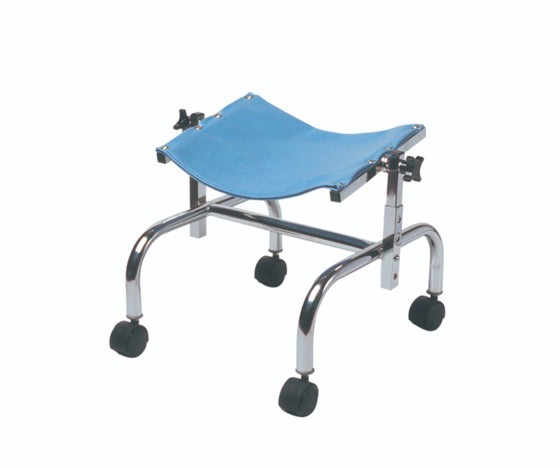
Adjustable Height: This is the most important feature of the wedge. It can be adjusted in 2-inch increments to offer multiple heights, typically from 4 inches up to 12 inches. This versatility allows it to accommodate different therapeutic needs and the growth of the child, essentially providing the function of several wedges in one.
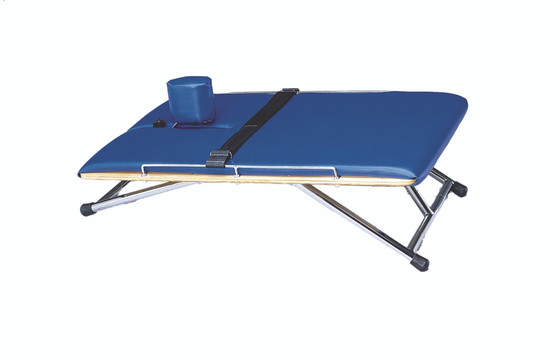
Integrated Sling System: The wedge includes a sling that gently supports a child to help maintain a secure and proper midline position. This is crucial for children who may have difficulty with postural control.
Supportive Attachments: It comes with a hip belt to safely secure the child to the wedge and a removable abductor. The abductor is a wedge-shaped pad placed between the legs to help prevent scissoring and promote leg abduction.
Durable and Portable: The unit is built with a lightweight yet sturdy steel frame. The frame is covered with a comfortable foam padding and a durable, tear-resistant vinyl, making it easy to clean and transport.
Versatile Positioning: The design allows for both prone (lying on the stomach) and supine (lying on the back) positioning, making it adaptable for a wide range of therapeutic activities.
Uses:
The Sammons Preston Height Adjustable Sling Wedge is an essential tool for therapists working with children who have developmental delays or physical disabilities. Its uses include:
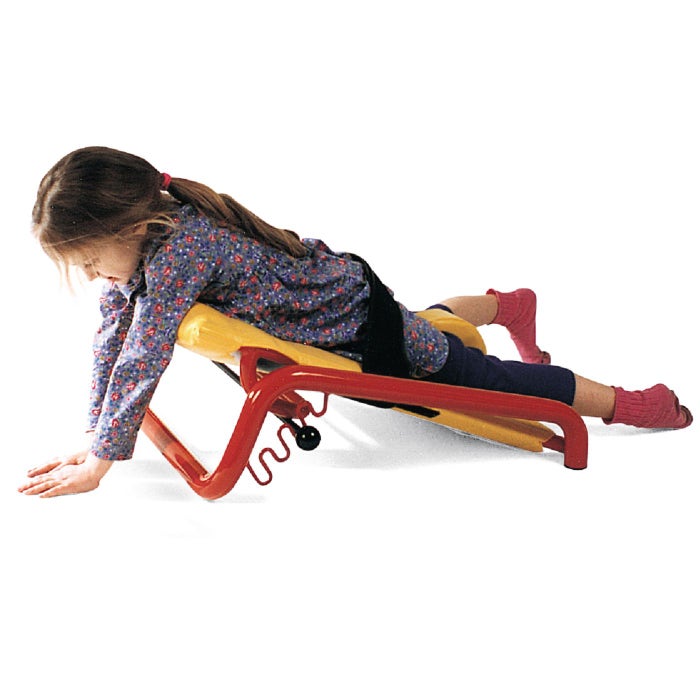
Promoting Prone Skills: It is frequently used for prone positioning to facilitate head control, trunk extension, and weight-bearing on the forearms. These activities are foundational for developing motor skills like rolling and crawling.
Improving Supine Skills: In a supine position, it provides support for the head and trunk, allowing a child to work on upper extremity activities like reaching and grasping with greater stability.
Enhancing Motor Development: The wedge is used to help children work on a variety of gross motor skills. By providing a secure and elevated surface, it helps them build the strength and coordination needed for functional movement.
Rehabilitation and Therapy: It is commonly used in therapy sessions for children with conditions such as cerebral palsy, spina bifida, and other neurological disorders, where proper positioning is critical for therapeutic outcomes.