
Call Us
888.433.2300




Description
cfDNA Stabilization: The key feature is a proprietary additive/stabilizer inside the tube. This special formulation effectively prevents the enzymatic degradation of cfDNA and, most importantly, inhibits the release of genomic DNA from white blood cells (leukocytes) into the plasma. This ensures that the cfDNA profile in the collected sample remains representative of the in-vivo state.
Sample Integrity: It is designed to maintain sample integrity for extended periods at room temperature. This is crucial for transportation and storage, as it eliminates the need for immediate plasma separation and freezing, simplifying the pre-analytical workflow.
Material and Volume: The tube is made of medical-grade PET (Polyethylene terephthalate) and is designed for a 10 mL blood draw.
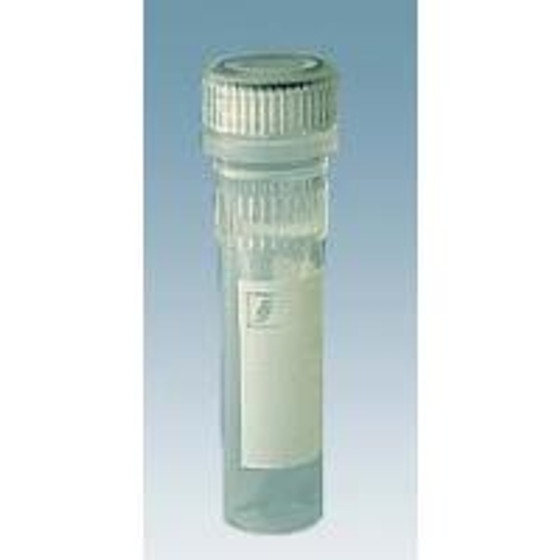
Visual Identification: It features a transparent design with a lilac-colored cap and a paper label for easy identification and sample labeling.
Sterility: The interior of the tube is sterile, ensuring the sample is not contaminated during collection.
Centrifugation Protocol: It is compatible with standard centrifugation protocols to separate plasma, where the cfDNA is located, from the cellular components of the blood.
The primary use of this tube is for the collection and preservation of whole blood specimens intended for the analysis of cell-free DNA.
Oncology (Cancer Research and Diagnostics): This is the most significant application. The tubes are used in "liquid biopsies" to detect and monitor tumor-specific mutations in the cfDNA shed by cancer cells into the bloodstream. This is used for cancer screening, monitoring treatment response, and detecting disease recurrence.
Non-Invasive Prenatal Testing (NIPT): Used to collect maternal blood to analyze fetal cfDNA. This allows for the screening of fetal chromosomal abnormalities, such as trisomy 21 (Down syndrome), without the need for invasive procedures like amniocentesis.
Transplantation Medicine: Used to monitor the health of a transplanted organ by detecting donor-derived cfDNA in the recipient's blood, which can be an early indicator of organ rejection.
Other Research: Utilized in various research fields to study cfDNA as a biomarker for a wide range of diseases and conditions.