Call Us
888.433.2300







Description
Got it! Here's the message you provided, with any implied or direct sources removed:
Fenestration: This tube features openings in the outer cannula. This allows air to pass through to the upper airway, which is crucial for phonation (speaking) and for facilitating decannulation (removal of the tracheostomy tube) as the patient's condition improves.
Speaking Valve (Type B): This particular variant includes an inner cannula with a speaking valve (Type B). Type B speaking valves are designed with a swiveling valve carrier, providing easy access to the inner lumen for suctioning without needing to fully detach the valve.
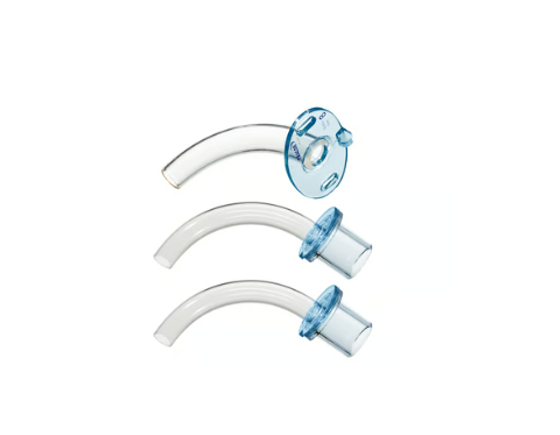
Inner Cannulas: Typically comes as a set including:
One inner cannula with the Type B speaking valve and fenestration.
One inner cannula with a low profile for a more discreet appearance.
One inner cannula with a 15 mm connector, allowing for the attachment of Heat and Moisture Exchangers (HMEs) or other respiratory accessories.
Thermo-sensitive Plastic (PVC): Made from transparent, thermo-sensitive, DEHP-free PVC. This material softens slightly at body temperature, conforming better to the patient's anatomy for enhanced comfort.
Durable and Economical: Tracoe Comfort tubes are handmade and designed for longevity, making them a cost-effective choice over time due to their durability.
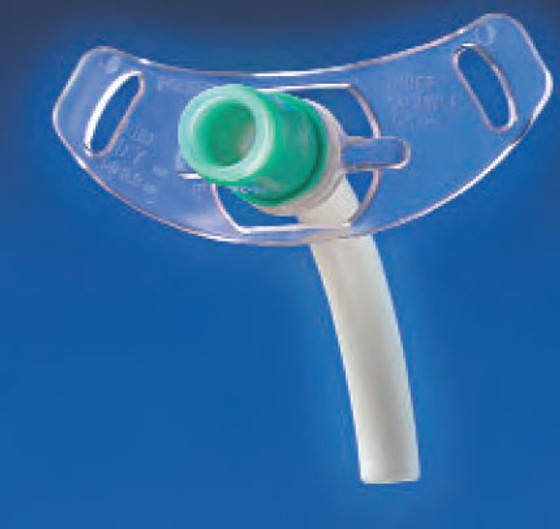
Adjustable Neck Strap: Included for secure and comfortable placement.
Locking Hook: Features a locking hook at the bottom for secure attachment.
Size 07: This specific model is a "Size 07" which refers to its dimensions, ensuring appropriate fit for a range of patients.
The ATOS 104-07A tracheostomy tube is used for patients requiring long-term airway access, particularly those who are stable and capable of phonation or are progressing towards decannulation.
Airway Management: Provides an artificial airway to the lower respiratory tract for patients who cannot maintain a patent airway on their own due to conditions such as:
Prolonged mechanical ventilation.
Upper airway obstruction (e.g., due to tumors, swelling, or neurological conditions).
Inability to manage secretions effectively.
Phonation (Speaking): The fenestration and integrated speaking valve allow exhaled air to pass through the vocal cords, enabling the patient to speak. This significantly improves quality of life for tracheostomized individuals.
Weaning and Decannulation: The ability to speak and the option to use fenestrated inner cannulas are critical steps in the process of weaning a patient off the tracheostomy tube and eventually decannulating (removing) it, as it helps assess the patient's ability to breathe and protect their airway independently.
Secretion Management: While designed for phonation, the design also allows for suctioning of tracheal secretions to maintain airway patency.
Long-Term Use: Its durable construction and comfortable design make it suitable for extended use.